

5 Warning Signs of PAD That Shouldn’t Be Ignored | B&B Medical Group
What Is Peripheral Artery Disease?
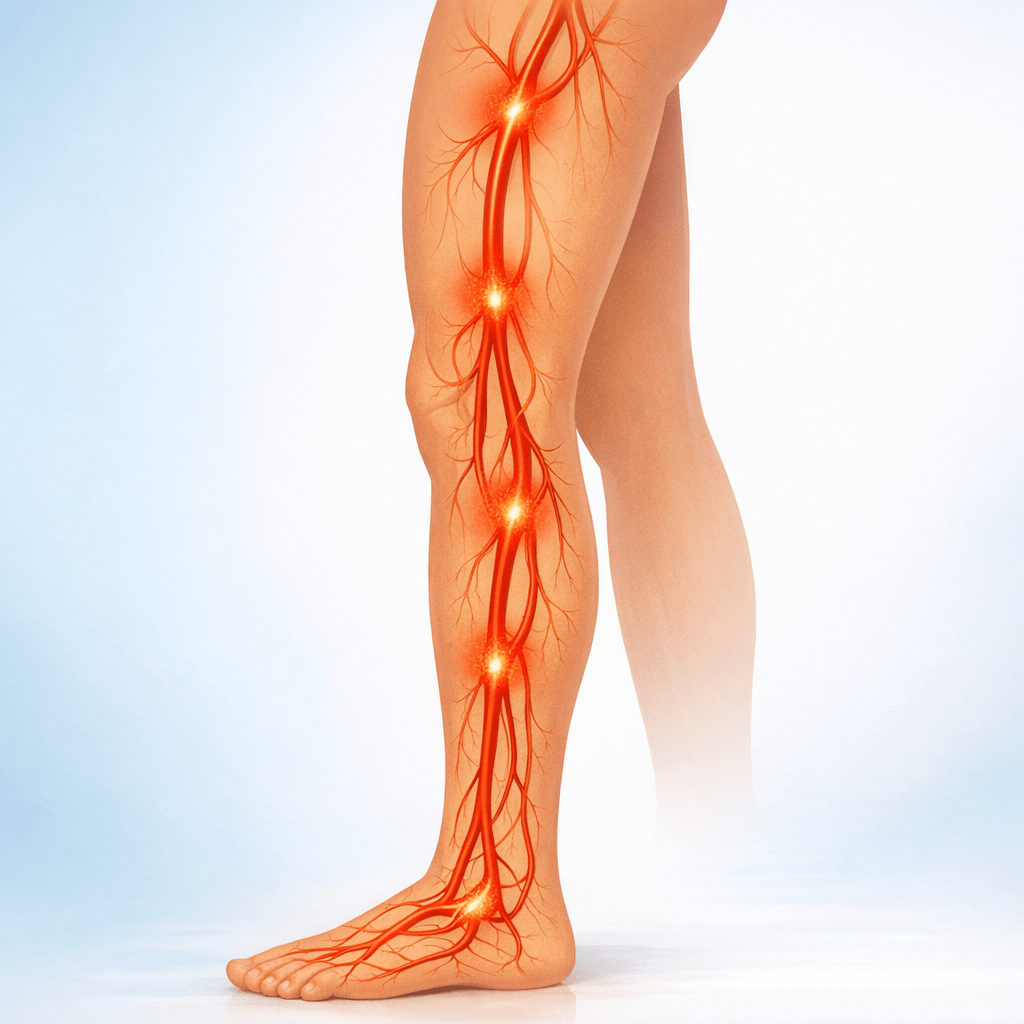
Peripheral Artery Disease — commonly called PAD — is a circulatory condition in which narrowed arteries reduce blood flow to the legs and feet. It develops when fatty deposits called plaque build up along the artery walls over time, restricting the oxygen-rich blood your limbs need to function properly.
PAD affects nearly 1 in 5 Americans aged 65 and older, yet many people dismiss early symptoms as normal aging. That delay can have serious consequences: untreated PAD increases the risk of heart attack, stroke, and in severe cases, limb amputation.
The good news is that when PAD is caught early, minimally invasive treatments can restore blood flow and dramatically improve quality of life. Here are five warning signs you should never ignore.
1. Leg Pain or Cramping When Walking
One of the most common early signs of PAD is a condition called intermittent claudication — painful cramping in your calves, thighs, or buttocks that occurs during physical activity like walking or climbing stairs, then goes away when you rest.
This happens because your muscles need more blood flow during exercise, and the narrowed arteries can’t deliver it. Many people adjust by simply walking less, but reducing activity only masks the problem while the disease progresses.
When to act: If you consistently feel leg cramps during walks that stop when you rest, mention it to your doctor. This pattern is a hallmark of PAD.
2. Non-Healing Wounds on Your Feet or Legs
Slow-healing or non-healing sores — particularly on your toes, feet, or lower legs — are a serious warning sign. Reduced blood flow means your body can’t deliver the nutrients and immune cells needed to repair tissue. What might start as a small cut or blister can become a chronic wound that refuses to close.
This is especially dangerous for people with diabetes, where PAD and diabetic neuropathy often overlap. If you have a wound on your foot or leg that hasn’t improved after two to three weeks, seek evaluation from a vascular specialist.
3. Coldness or Color Changes in Your Lower Legs
Do your feet or lower legs feel noticeably colder than the rest of your body? Does the skin on one leg look paler or have a bluish tint compared to the other? These temperature and color differences can indicate reduced arterial blood flow to that limb.
You might notice this most when lying down at night or after sitting for long periods. Some people find that dangling their legs over the edge of the bed brings temporary relief, because gravity helps push blood downward.
4. Numbness or Weakness in the Legs
As blood flow decreases, the nerves and muscles in your legs may not receive adequate oxygen. This can manifest as persistent numbness, tingling, or a feeling of heaviness and weakness — particularly in the lower legs and feet.
While numbness has many possible causes, when it appears alongside other symptoms on this list, it strengthens the case for a PAD evaluation.
5. Shiny Skin, Hair Loss, or Slow Toenail Growth
Changes in the appearance of your legs and feet can be subtle but telling signs. Skin that becomes unusually shiny or smooth, loss of hair on the legs or feet, and toenails that grow abnormally slowly or become thickened can all point to chronically reduced blood flow.
These changes happen gradually, so you may not notice them until they become pronounced. Paying attention to these physical signs during regular foot checks — especially if you have diabetes — can help catch PAD earlier.
What Should You Do If You Notice These Signs?
If you recognize one or more of these symptoms, the most important step is to talk to your doctor. PAD is typically diagnosed through a simple, painless test called an ankle-brachial index (ABI), which compares blood pressure readings in your ankles and arms to assess blood flow.
At B&B Medical Group in Bellflower, our vascular specialists provide comprehensive PAD evaluations and a full range of minimally invasive treatment options — including angioplasty and stenting — performed as outpatient procedures. Most patients return home the same day.
Don’t Wait — Early Treatment Makes a Difference
PAD is a progressive disease, but it doesn’t have to define your future. Lifestyle changes like walking programs and smoking cessation can slow progression, and when intervention is needed, today’s minimally invasive procedures offer excellent outcomes with fast recovery.
If you’re experiencing symptoms, book an appointment at our Bellflower surgical center or call us at (562) 888-8961. We’re open Monday through Saturday.
