

Don’t Ignore the Ache: Advanced Treatments for Peripheral Artery Disease (PAD)
Have you ever felt a cramping pain in your calves while walking, only for it to disappear when you stop to rest? It’s easy to dismiss this as just “getting older” or being out of shape. However, this specific type of pain is often the hallmark of a serious condition known as Peripheral Artery Disease (PAD).
At Southern California Vascular, we believe that leg pain shouldn’t limit your life. Understanding PAD and seeking early treatment is crucial—not just for your mobility, but for your overall cardiovascular health.
What is Peripheral Artery Disease? PAD is a circulatory condition where narrowed arteries reduce blood flow to your limbs, most commonly your legs. This is usually caused by atherosclerosis, a buildup of fatty plaque in the arteries. Just like clogged pipes in a house can stop water flow, clogged arteries prevent your muscles from getting the oxygen-rich blood they need, especially during activity.
Signs You Might Have PAD Many people with PAD don’t even know they have it. While some have no symptoms, others experience:
- Claudication: Pain, cramping, or heaviness in the legs (calves, thighs, or buttocks) during walking or exercise that goes away with rest.
- Coldness: One foot or leg feeling colder than the other.
- Changes in Skin: Shiny skin on the legs or slower hair growth.
- Non-Healing Wounds: Sores or ulcers on your feet or toes that won’t heal.
Why Early Treatment is Vital PAD is more than just a pain in the leg; it is a warning sign. The same plaque buildup affecting your legs may also be affecting the arteries leading to your heart and brain. Left untreated, PAD can increase the risk of heart attack, stroke, and in severe cases, lead to critical limb ischemia and amputation.
Minimally Invasive Treatment Options The good news is that modern medicine has moved far beyond major open surgeries for many PAD cases. At Southern California Vascular, our team of interventional experts specializes in minimally invasive procedures that get you back on your feet faster.
Depending on the severity of your condition, your treatment plan might include:
- Angioplasty: A thin tube (catheter) with a balloon at the tip is threaded through your blood vessel to the blockage. The balloon is inflated to flatten the plaque against the artery wall, widening the vessel and restoring blood flow.
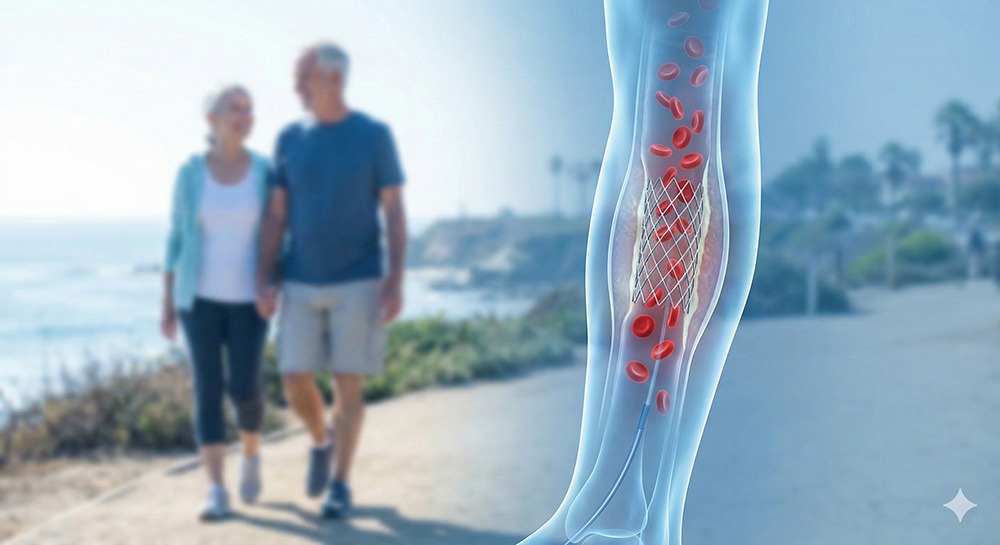
- Stenting: Often performed alongside angioplasty, a stent is a small mesh tube left inside the artery to act as a scaffold, keeping the vessel open permanently.
- Atherectomy: In some cases, the plaque needs to be removed rather than just pushed aside. This procedure uses a specialized catheter to shave or vaporize the plaque from the inside of the artery.
Why Choose Southern California Vascular? We understand that navigating vascular health can be scary. Our approach is collaborative and patient-centered. Whether you visit our Bellflower center or interact with our team in Long Beach, you are treated like family.
- Outpatient Convenience: Most of our minimally invasive treatments are performed in our comfortable outpatient setting, meaning you can often go home the same day.
- Expert Team: Our board-certified physicians utilize state-of-the-art imaging and technology to ensure the most precise diagnosis and effective treatment.
- Comprehensive Care: From lifestyle counseling (like smoking cessation and exercise programs) to advanced intervention, we stay with you every step of the way.
Take the Next Step If you or a loved one are experiencing symptoms of PAD, don’t wait for them to worsen. Leg pain is not a normal part of aging. Contact Southern California Vascular today to schedule a consultation. Let us help you regain your stride and protect your vascular health.
